
One of the hardest jobs in life safety is keeping mission-critical first responders connected everywhere they go: underground parking, dense concrete, stairwells, elevators, and back-of-house corridors.
When a building cannot pass emergency radio coverage with outdoor signal alone, a public safety distributed antenna system (DAS) paired with a bi-directional amplifier (BDA) is often the engineered path your AHJ expects—designed for the bands your jurisdiction actually uses, not a generic “cell booster.”
Texas projects succeed when RF design, electrical and pathway coordination, fire alarm and life-safety interfaces, and commissioning records all line up at plan review and final walk-through.
We help owners, GCs, and property teams scope and document in-building public safety systems so ERRC requirements, AHJ checklists, and integrator deliverables line up before occupancy—or before a remodel forces a costly late redesign.
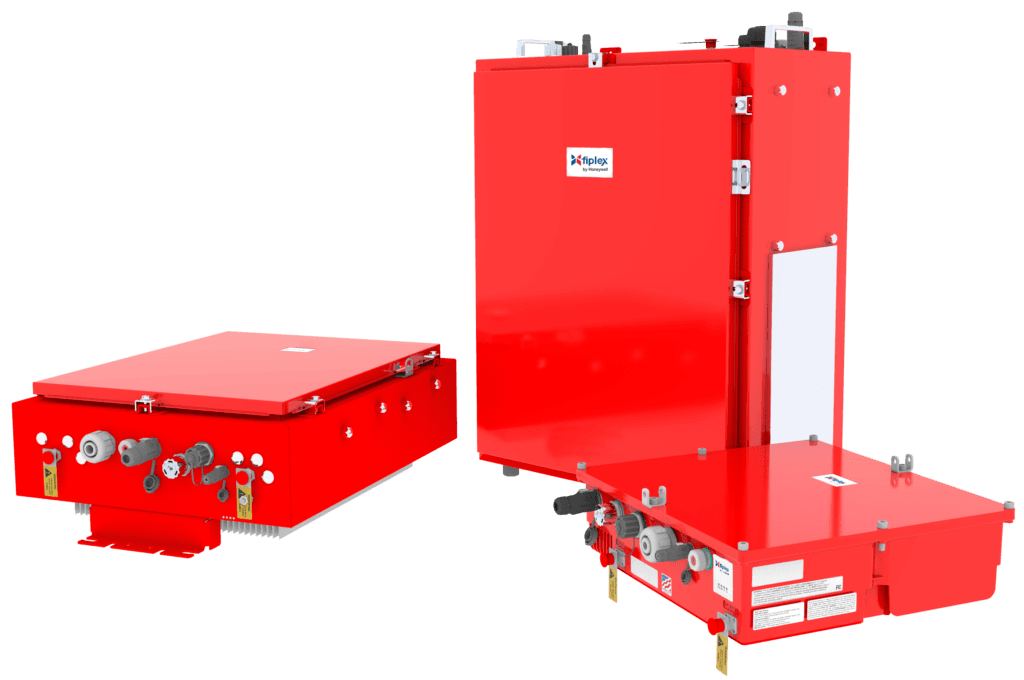
What this looks like on your project
- Coverage planning for the first places signals fail: below grade, core walls, metal decks, shielded rooms, and long horizontal runs.
- Band and service awareness for public safety: 700 MHz and 800 MHz, legacy UHF/VHF where still in use, and FirstNet / LTE paths where your authority requires them in the design basis.
- Coordination between structural, MEP, low-voltage, and fire trades so donor antenna placement, risers, and head-end rooms are buildable—not theoretical.
- Head-end, fiber, and remote unit strategy aligned with manufacturer-neutral or spec-driven equipment lists your engineer and AHJ will accept.
- Commissioning and acceptance language that matches ERRC testing records so you are not explaining three different “versions of the truth” to the fire marshal.
- Closeout documentation structured for inspection: as-builts, test grids or reports as required, alarm supervisory points where applicable, and O&M handoff your facilities team can use.
Whether you are pricing a shell, chasing a CO date, or remediating a failed coverage survey, start with clarity on bands, pathways, and evidence of performance. We align with engineer-approved and AHJ-accepted equipment paths—manufacturer-neutral unless your project specifies otherwise—and we help you keep the paperwork as defensible as the hardware.
References
Frequently asked questions
What is a BDA versus a public safety DAS?
A bi-directional amplifier (BDA) strengthens and routes radio signals between the outside network and the inside of the building. A public safety distributed antenna system (DAS) is the in-building network of cabling, antennas, and sometimes fiber-fed remote units that distributes that signal where it is needed. In practice, people say “BDA” or “public safety DAS” for the whole solution; technically the BDA is often the active head-end component of a DAS architecture.
Do I need a BDA if I already passed ERRC testing?
Not always. If survey or grid testing shows adequate inbound and outbound coverage everywhere your AHJ requires, you may need documentation only. If coverage fails in required areas, remediation often includes a designed in-building public safety system. We help you interpret results and align the right scope—survey-only versus engineered DAS/BDA—before you commit budget.
Who installs public safety BDA or DAS in Texas?
Qualified low-voltage / life-safety integrators perform installation under an engineer’s design and AHJ-approved submittals. We help coordinate that work with your fire alarm and ERRC documentation so commissioning, inspections, and closeout match what plan review approved.
What bands does a public safety DAS need to support?
It depends on your jurisdiction and the agencies on channel in your area—commonly 700 MHz and 800 MHz public safety bands, sometimes UHF or VHF, and in some projects FirstNet or LTE-based requirements appear in the design basis. Guessing bands from a generic datasheet is how projects rebid late. The right move is a jurisdiction- and agency-aware design basis early.
How much does a BDA or public safety DAS cost?
Cost is driven by building size, required coverage zones, pathway difficulty, head-end location, fiber versus coax architecture, and how many bands and carriers or agencies must be supported. A reliable budget comes from a scoped design response to survey results and AHJ criteria—not a single square-foot rule of thumb.
What is FirstNet and does it affect my in-building system?
FirstNet is the nationwide public safety broadband network built with AT&T. Some jurisdictions or agency policies influence whether LTE / FirstNet paths must be considered alongside LMR (land mobile radio) coverage in the design basis. We help you ask the right questions early so your integrator and engineer are not surprised at submittal.
What do fire marshals look for on BDA or public safety DAS inspections?
Expect questions about approved plans versus as-built conditions, donor signal quality, alarm monitoring or supervisory interfaces where required, labeling, battery backup, pathway integrity, and test evidence tied to the adopted standard or local policy. Documentation should match the records from ERRC testing. We help align language and deliverables to your AHJ’s checklist.
Can you work with our engineer’s BDA design and chosen manufacturer?
Yes. We are manufacturer-neutral unless your contract or specifications name a platform. Our focus is coordination, AHJ alignment, and making sure installation, commissioning, and ERRC documentation stay consistent from bid to CO.
Is a public safety BDA or DAS required for certificate of occupancy in Texas?
It depends on your city or county AHJ, the adopted code cycle, occupancy, and whether ERRC or in-building radio coverage is a condition of approval. Many projects trigger a coverage survey first; failed or marginal results drive a designed remediation path. We help you interpret what your jurisdiction actually requires—not assumptions from a national blog.
Is public safety DAS the same as cellular DAS for tenants?
No. Carrier or neutral-host cellular DAS improves commercial mobile service for occupants. Public safety DAS is engineered for mission-critical LMR (and sometimes LTE public safety) coverage that AHJs tie to emergency responder communications. Equipment, monitoring, and acceptance criteria are different. Mixing the two scopes is a common source of rework.